

 a standard iron, this device features three vertical panels (often with adjustable heat settings) that allow simultaneous ironing of collars, cuffs, and garment sides—saving time and ensuring uniform results.
Common in Baltic households, it’s a piederums (belonging) that bridges practicality and tradition. Grandmothers pass down tips: use distilled water to avoid mineral buildup, adjust the temperature for delicate linen or sturdy cotton, and let the panels cool before folding. For busy parents, it’s a lifesaver for school uniforms; for tailors, a precise tool to finish hems.
Beyond function, it carries nostalgia. The hum of its heating element evokes weekend afternoons, the scent of freshly pressed linen mingling with homemade pie. It’s not just an appliance—it’s a symbol of care: each smooth fold reflects the effort to keep things neat, a small act of love woven into daily routine. In a world of fast fashion and disposable goods, this piederums endures, a testament to the value of slow, intentional care.
a standard iron, this device features three vertical panels (often with adjustable heat settings) that allow simultaneous ironing of collars, cuffs, and garment sides—saving time and ensuring uniform results.
Common in Baltic households, it’s a piederums (belonging) that bridges practicality and tradition. Grandmothers pass down tips: use distilled water to avoid mineral buildup, adjust the temperature for delicate linen or sturdy cotton, and let the panels cool before folding. For busy parents, it’s a lifesaver for school uniforms; for tailors, a precise tool to finish hems.
Beyond function, it carries nostalgia. The hum of its heating element evokes weekend afternoons, the scent of freshly pressed linen mingling with homemade pie. It’s not just an appliance—it’s a symbol of care: each smooth fold reflects the effort to keep things neat, a small act of love woven into daily routine. In a world of fast fashion and disposable goods, this piederums endures, a testament to the value of slow, intentional care.Piederumi: trīspusēja pulēšanas mašīna
2026-09-12 14:34:12
**Piederumi: Trīspusēja Pulēšanas Mašīna**
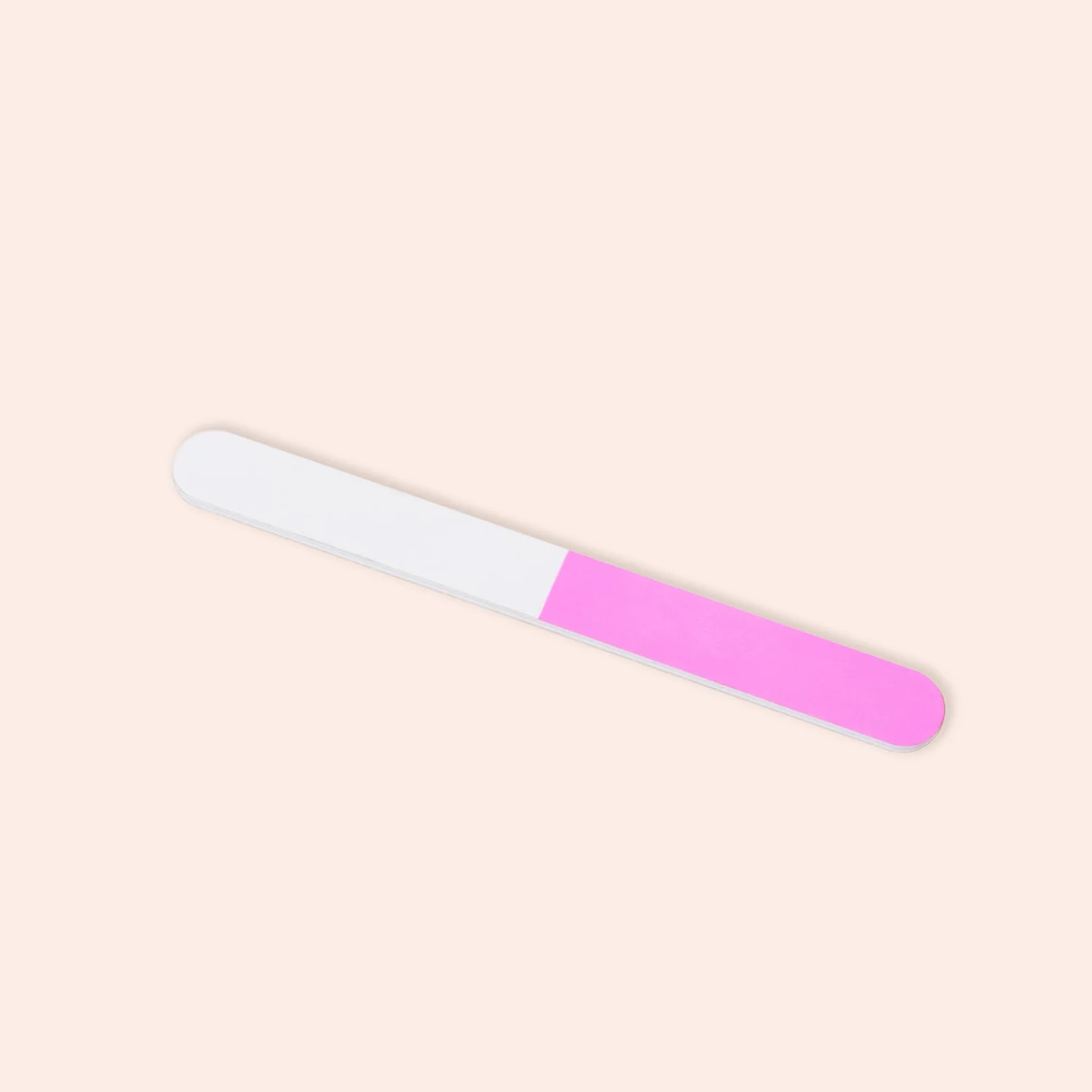
A trīspusēja pulēšanas mašīna—Latvian for “three-sided ironing machine”—is more than Nagu kopšana — 15 ml sākuma rutīna — mīksti nagi household tool; it’s a quiet workhorse that turns wrinkled chaos into crisp order. Piederumi: trīspusēja pulēšanas mašīna a standard iron, this device features three vertical panels (often with adjustable heat settings) that allow simultaneous ironing of collars, cuffs, and garment sides—saving time and ensuring uniform results.
Common in Baltic households, it’s a piederums (belonging) that bridges practicality and tradition. Grandmothers pass down tips: use distilled water to avoid mineral buildup, adjust the temperature for delicate linen or sturdy cotton, and let the panels cool before folding. For busy parents, it’s a lifesaver for school uniforms; for tailors, a precise tool to finish hems.
Beyond function, it carries nostalgia. The hum of its heating element evokes weekend afternoons, the scent of freshly pressed linen mingling with homemade pie. It’s not just an appliance—it’s a symbol of care: each smooth fold reflects the effort to keep things neat, a small act of love woven into daily routine. In a world of fast fashion and disposable goods, this piederums endures, a testament to the value of slow, intentional care.
a standard iron, this device features three vertical panels (often with adjustable heat settings) that allow simultaneous ironing of collars, cuffs, and garment sides—saving time and ensuring uniform results.
Common in Baltic households, it’s a piederums (belonging) that bridges practicality and tradition. Grandmothers pass down tips: use distilled water to avoid mineral buildup, adjust the temperature for delicate linen or sturdy cotton, and let the panels cool before folding. For busy parents, it’s a lifesaver for school uniforms; for tailors, a precise tool to finish hems.
Beyond function, it carries nostalgia. The hum of its heating element evokes weekend afternoons, the scent of freshly pressed linen mingling with homemade pie. It’s not just an appliance—it’s a symbol of care: each smooth fold reflects the effort to keep things neat, a small act of love woven into daily routine. In a world of fast fashion and disposable goods, this piederums endures, a testament to the value of slow, intentional care.
Komentārs